
An avoidant is exactly what the name suggests, someone who avoids… avoids opening up, avoids being vulnerable at all cost, avoids any real intimacy, avoids initiating contact, avoids commitment, avoids bonding or attaching, avoids depending on another, avoids expressing emotions, avoids being seen for who they really are, avoids sharing their woes or joys, avoids caring for another, avoids accountability, avoids making a move, avoids letting their guards down, avoids showing their wounds, avoids closeness, avoids giving affection or attention, avoids baring their hearts, avoids risking love… even if they’re breaking inside because of it.
The death trap
For an avoidant, intimacy is akin to standing on quick sand where you drown if you don’t get out immediately as there is no hope of being saved. Vulnerability is like the death trap for them, because that means letting down their guards and allowing another to see them for who they really are, thereby risking rejection. They are so afraid of their own emotions or deep feelings that they shove them under the rug and run during intimate—the “into-me-see” kind of moments, and silently suffer.

They can be extremely intelligent and independent, high performers and achievers, self-reliant and highly functional individuals in society; like Elon Musk displays traits of an avoidant owing to difficulty with intimacy and a preference for independence, suggesting a possible pattern of emotional withdrawal, too work focused, multiple relationships, etc.
Why does an avoidant avoid?
We humans are born helpless and vulnerable, depending on caregivers in our formative years for literally everything—food, shelter, clothing, emotional needs… everything really! Research shows that our earliest emotional bonds with the one most responsible for our well-being, usually our mothers, can directly impact our romantic relationships in adulthood. Children whose guardians could be depended on for comfort and attention usually have stable relationships later on, whereas those whose caregivers were inconsistent and less attentive are likely to have difficulty in forming healthy relationships as adults. That said, humans are complex creatures and there are a lot of other experiences that may influence one’s ability to form healthy relationships over time.
Childhood trauma: An avoidant usually has had a painful childhood where their emotional needs were negated or neglected by their primary caregivers and guardians. So, to cope, they learned to bury their emotions, become independent, and even indifferent from a young age. They grow up believing they couldn’t depend on anyone and are unable to trust others with their needs. They are self-sufficient and fiercely independent, and especially in romantic relationships, when their partners express any kind of vulnerability or expect emotional investment from them, they consider it a kind of weakness, therefore, run from it. They always want to be in control of the relationship by being the first ones to create distance, abandoning their partners before they can be abandoned—in order to avoid the pain of rejection and emotional invalidation. It is a coping mechanism, a trauma response.

Before continuing, let me emphasize here that being independent and needing space in a relationship is normal and healthy, just like a rubber band when stretched and released comes back to normal, but it would snap when stretched too hard—that’s what I mean.
Attachment types
In psychology, there are mainly four attachment types according to the Strange Situation experiment, which is the way people bond or attach with their partners in romantic relationships, falling under two main categories: one is secure attachment and the other three—anxious, avoidant, disorganized—are considered insecure attachment styles. Each style exists on a spectrum, so one may not identify completely with any particular style. In the study, infants and their mothers were observed in a room together; the mother left then returned a few minutes later and the infant’s reaction was recorded.
- Secure attachment: Individuals with a secure attachment style are comfortable with intimacy and autonomy, have positive views of themselves and others, and feel confident in relationships. It is characterized by trust, comfort, and the ability to depend on others in relationships. In the experiment, infants became upset when their parent left and were comforted by their return.
- Anxious attachment: Individuals with an anxious attachment style often worry about abandonment and seek reassurance from their partners, leading to a need for constant validation and potential relationship difficulties. It is characterized by a high degree of anxiety, clinginess and neediness, excessive attachment and dependence, highly sensitive to their partner’s actions, hence also called Anxious-Preoccupied. In the experiment, infants became very upset when their parent left and were difficult to comfort upon their return.
- Avoidant attachment: Avoidant individuals tend to suppress their need for intimacy and are uncomfortable with emotional closeness, often pushing prospective partners away by becoming detached. It is characterized by emotional distance, fear of intimacy, reluctance to depend on others, prioritizing independence above all, dismissive of others’ needs and feelings, hence also called Dismissive-Avoidant. In the experiment, infants barely reacted—or didn’t react at all—when their parent left or returned.
- Disorganized attachment: Individuals with this style struggle to develop effective coping strategies and may exhibit a mix of anxious and avoidant behaviour. It is characterized by a push-pull dynamic where the individual seeks both closeness as well as a need to pull away, also called Fearful-Avoidant. In the experiment, infants reacted in more erratic, incoherent ways to their parent leaving or returning, such as hitting their heads on the ground or growing rigid.
The infants’ reactions to their parents’ departure and return speak volumes about how they adapted to their caregivers attending to their needs. Infants who were securely attached knew they could rely on their parent, hence were concerned when they left and comforted upon their return. Whereas infants who realized that their parents weren’t going to be attentive to their needs, were not as concerned about their absence neither comforted by their presence. As they learned not to rely on their caregivers to meet their needs, the parent’s presence or absence didn’t make much of a difference.

These kind of experiences in childhood are more likely to affect the way one relates to others in adulthood. While Secure attachment reflects a healthy bonding style, the other three types can lead to various challenges in relationships and emotional health, viz. Anxious-Preoccupied whose core wound is a fear of being abandoned, Dismissive-Avoidant whose core wound is a fear of losing independence, Fearful-Avoidant whose core wound is a mixture of both, and Secure attachment who has minimal wounding or successfully healed their wounds.
The Dismissive-Avoidant
This article mainly focuses on Dismissive-Avoidant individuals who struggle to open up emotionally, prioritize their own needs over those of their partners, and may withdraw from relationships when they sense a threat to their independence. They are seen as the “lone wolf”, overly self-sufficient, and aren’t likely to delve much into emotional conversations, in terms of their own feelings and those of others, owing to a childhood marked by lack of emotional support or connection with caregivers—who might have met their physical needs, like providing food & clothing, but failed to provide emotional comfort they also needed, whence they learned not to rely on others for their emotional needs.
Avoidant & Anxious pairing: Usually a Dismissive-Avoidant attracts an Anxious-Preoccupied in a relationship for obvious reasons that it will work, at least for a while. The anxious partner needs constant validation and reassurance as they are afraid of abandonment, so they would be willing to stay in the connection and bridge the gap whenever the Dismissive-Avoidant pulls away. Anxious individuals aren’t emotionally independent hence uncomfortable with space or distance in relationships, so they would always be the ones to re-initiate communication and fill the void whenever their avoidant partner emotionally abandons them. The Dismissive-Avoidant would find the Anxious-Preoccupied clingy, needy, and their core wound of requiring independence would get triggered, so they would run further and farther, thereby leading to a breakup at some point.
Avoidant & Secure pairing: If a Dismissive-Avoidant gets in relationship with a Secure individual, then one of two things might happen: either the Dismissive-Avoidant starts becoming more secure, or, the secure person starts to become insecure owing to the avoidant constantly abandoning them during moments of emotional intimacy. More often than not, the latter happens, i.e. the secure partner starts to question their worth feeling insecure and insufficient, thereby displaying tendencies of an anxious individual with the passage of time as a direct result of the avoidant pulling away on a continuous basis. However, if a secure partner can stand their ground in the connection, they would ideally give lots and lots of space to the avoidant individual and would be fulfilled on their own outside of the relationship, without many needs for the avoidant to satisfy. This is the only way avoidant and secure partners could sustain a connection, and with time, the avoidant might become more securely attached to such a person. Else, the connection would break.
- It is important to note that a Secure individual is not immune to negative emotions, and can feel anxious and insecure, but instead of avoiding or resisting those uncomfortable feelings, they allow the emotions to pass through them, feeling deeply, and then bounce back to a secure state of mind when their emotional balance is restored. It is only when emotions are suppressed that people become distant from their inner selves, hence exhibit avoidant behavioural traits.
Avoidant & Avoidant pairing: An avoidant may be attracted to another dismissive or fearful avoidant but this is an unstable pairing as both would run from each other during difficult moments, and none would be willing to make the first move, hence the relationship would fall apart in a jiffy.
Energy dynamics
According to the law of attraction, like attracts like, so Avoidants deep inside are in fact anxious individuals themselves but exhibit their anxiety in an exact opposite way to their Anxious-Preoccupied counterparts. The underlying energy is essentially the same—an avoidant withdraws because intimacy makes them anxious and out of control. So, instead of clinging, unlike the anxious partner, they turn around and run! Of course, this running happens emotionally by creating distance. Avoidants minimize the importance and value of their partners in relationships, never showing how they really feel or how much they care, in fear of exposing too much and risking rejection. They are hyper-vigilant and always want to have the upper hand in the connection, because pulling away, at least in the moment, transfers the power to them even if they may regret it later in solitude.
In essence, the avoidant’s inner wounds are mirrored back to them by their anxious partner in the external reality; this reflection triggers them so they run emotionally as they have done their entire life. However, it is a call to heal else this painful pattern in relationships will continue until the avoidant integrates those unconscious aspects of themselves.
Self-fulfilling prophecy
An avoidant typically would have had several relationships where the same pattern repeats over and over again. There’s this bubble-love phase, when the thrill of a new relationship allures them, and they can safely bond with someone without a threat to their autonomy. But as the relationship progresses, their core wound is triggered, and they feel the need to emotionally distance themselves; therefore, the bubble breaks! These trigger points may surface during one or more stages of the relationship, viz. becoming exclusive, meeting the family, getting engaged, getting married, moving in together, having children, etc. Depending on the Avoidant’s threshold for intimacy, at any of these stages, their need for independence and emotional distance may get triggered as the relationship progresses into deeper levels of commitment. But the more an avoidant pulls away, the more their anxious counterpart feels the need to chase, which makes the avoidant pull away further, thus breaking the relationship at some point—their partners become more needy and clingy precisely because the avoidant leaves during pivotal moments in the connection… one begets the other!

When avoidants exit, they may initially feel elated as their sense of independence gets restored. But as time passes, and their partners are forced to move on without them, the avoidant is left in a void and nostalgia sets in when their deeper soul needs of connection and intimacy resurfaces, and they feel lonely while missing the partner. So, they might go back to the partner, and if the partner accepts them, then the same cycle would repeat all over again; or, the avoidant begins a new relationship with another person and any which way the cycle starts over. This is when they may become really unhappy pondering if they are destined to remain alone forever, without realizing that they are the common denominator in each of their past relationships. As long as the avoidant carries unresolved wounds from the past, this pattern will repeat, because they cannot escape themselves. Therefore, the avoidant’s self-fulfilling prophecy of isolation and emotional distance gets strengthened, without realizing it is their wounded self that is attracting these insecure relationship patterns in order to heal itself.
Deactivation strategy
Deactivation is a strategy used by avoidants to manage difficult emotions and maintain a sense of control, as they have difficulty trusting others and forming close connections. It manifests as emotional withdrawal, curt responses, reluctance to share thoughts & feelings, reduced connection or bonding time, decrease in communication frequency, less frequent calls or face-to-face interactions, longer response times, less proactive engagement in initiating contact, decreased affection, diminished physical and verbal expression resulting in colder relational ambience, increased focus on independence, heightened emphasis on personal space and solitary activities, avoiding difficult or emotionally challenging conversations, evading long-term planning or discussing the future, dodging commitment, not addressing conflict, resistance to physical affection or emotional closeness, shifting gears from being involved to being withdrawn, etc.
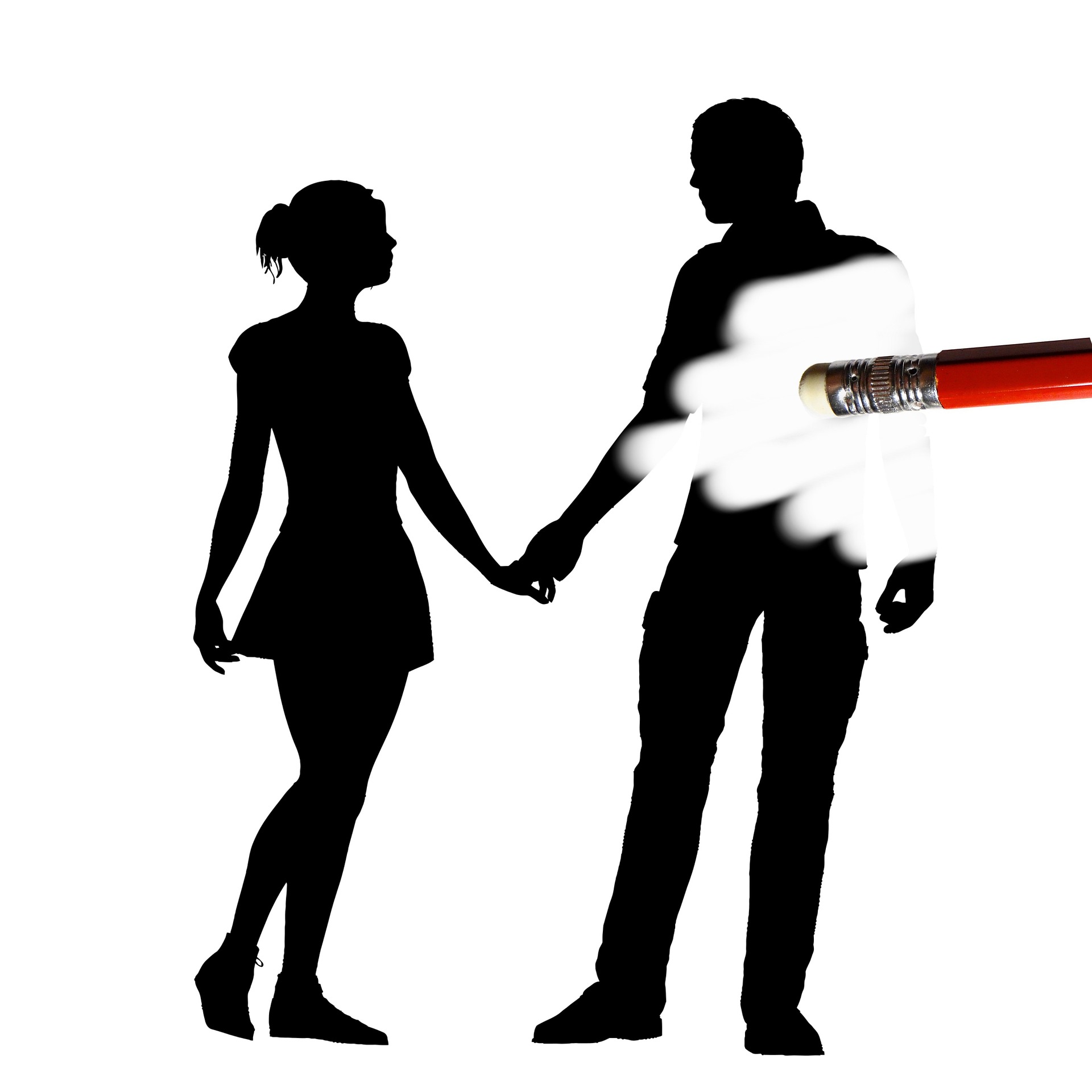
As stated earlier, this type of behaviour perpetuates due to the avoidant’s fear of potential rejection or abandonment. The trauma of childhood experiences with inconsistent caregivers contributes to the development of avoidant attachment styles and such deactivation strategies. It is a mechanism of self-protection from emotional pain so as to maintain a sense of control. They equate emotional vulnerability with a feeling of loss of power.
Painful reality
Avoidants often become emotionally lonely because they’re unable to integrate those unconscious parts of themselves denied in childhood, their shadow selves, that they thought were weak hence unacceptable. And to recreate the pain of childhood, they deliberately put their partners through a harsh emotional environment just to see if they would come out the other side still committed. Their partners would have to take the bullet, bend backwards, stand on their heads, share their everything, move mountains to prove their love, just so the avoidant could feel reassured, while the avoidants themselves would pull away when things are getting better, leaving things foggy and unclear for their partners, avoiding emotional or even physical closeness, and almost never saying “I love you”.

The only way avoidants know how to survive is in a harsh environment hence put their partners through the same grime emotionally, owing to their rocky childhood and relationship with caregivers. Thus, they consciously or unconsciously create all kinds of tests within the relationship, and instinctively choose a partner who can go through similar harsh conditions. They not only test their partners’ resilience but also impose emotional distance, thereby sabotaging any genuine connection. It is a painful reality for both.
Delayed response
Since avoidants are not in touch with their emotions, they don’t feel the pain they cause to their partners or the impact of a breakup immediately. In fact, they rejoice at having regained their independence. It isn’t until their partners have closed the door on them when they start to feel their absence and reminisce the good moments, if they loved the partner that is; it couldn’t be a passing fling, of course.


Humans are relationally dependent species wired for connection and intimacy, so no one is immune to their emotions completely. Hence, the avoidant does feel the emotions but much later. It may take years before they realize that their partners are not under their control anymore. It is only in the space created by distance, in the absence of their partners, that avoidants can safely yearn for them; but the partner was never valued or cherished while present in their lives. They are trying to solve their childhood puzzle by recreating the same scenarios in adulthood, when they had to suppress to cope and be socially presentable; yet desperately hoping that things would be different as their deeper need for emotional intimacy resurfaces, painting their days and nights with solitude and longing.
Emotional disconnection
Since the avoidants have distanced themselves from their own emotions and feelings, they obviously can’t feel that of their partners, which affects the quality of their relationships as disconnection sets in. They may intellectually understand that their actions are hurtful, but until they feel the pain themselves, they can’t do anything about it. This emotional detachment can turn them into monsters (in their partner’s eyes) without meaning to.
The dark side of detachment: Although detachment gives one the illusory feeling of being in power, in the long run, it only brings loneliness and powerlessness. And because the avoidant continually disconnects and disengages from emotional interactions, refusing to take responsibility for their distressing behaviour, and jumping from relationship to relationship, they don’t develop real relationship skills, like effective communication, amicable problem solving, taking accountability for their actions, etc. Hence, their relationships lack depth, bonding, or a sense of belonging to one another. The more an avoidant tries to escape, the more it consumes them. The emotions they buried long ago, refuse to stay buried anymore. Because in the end, they are only running from themselves, breaking their own hearts.

Life has a way of catching up, and through repeated painful experiences it exposes one’s unhealed aspects to oneself, so one can see this mirror reflection in external reality and consciously heal those inner wounds, then go on to create meaningful, joyful, purposeful relationships with a healthy balance of give and take.
Healing
Healing occurs when one is willing to go within and repair the wounding. One cannot build a loving relationship on a foundation of self-rejection. Heal your past, so your partner doesn’t have to carry the weight of both of you. Your pain is not your fault but your healing is in your hands. Love yourself enough to become the one who can love the way your loved one desires and deserves.
It is possible to consciously change one’s attachment style from avoidant to secure; outlined below are some ways an avoidant can heal from their past wounds.
- Become aware: The first step towards healing is an awareness of the wound, to acknowledge if you are an avoidant. So, becoming aware means accepting the responsibility to heal. Think about all the relationships you’ve had so far and how they ended. You’ll recognize a similar pattern where either the ex left due to your unavailability, or, you found them too much and ran.
- Delve: Observing your own emotions and becoming conscious of how you pull away from others would require some work, but the effort is worth it as it can open your eyes to your own attachment style while you learn to let others into your emotional space.
- Catch yourself: Yes, whenever you’re tempted to run from intimacy, whenever your partner is sharing something and you don’t want that kind of closeness, whenever you feel the urge to disconnect and detach, stop and ask yourself: why am I wanting to escape this moment? Why is my partner sharing their vulnerability making me uncomfortable? Can I stay and hold the space for my partner to be themselves? Can I communicate my own emotional needs and be seen for who I am? Can I give some love to my partner who is hurting right now? These are all good ways to self-inquire and get to the core of the issue.
- Get feedback: If possible, ask your exes why they left you, or if you left them, what they felt and how they reacted to the situation. Talk with a willing friend to understand how they feel when you withdraw. For you, it may be a defence mechanism, but for them, it is a cold feeling of abandonment they have to deal with due to your fears of intimacy and vulnerability.
- Initiate: If you’re usually not in the habit of initiating, then do it now. Break the pattern, create a new reality, and recreate yourself anew for a new experience.
- Communicate: It is essential to communicate openly and honestly with your beloved instead of hiding, to express your needs and feelings in a calm and non-judgmental way instead of pulling away. When you dare to share, you care.
- Set healthy boundaries: Define your boundaries and communicate your need to pull away whenever you feel that your sense of autonomy is being compromised, instead of keeping your partner in the fog. Someone who loves you will understand and give you the space you need.
- Seek therapy: This is always a great option, to talk out your relationship woes with a therapist or healer, and mend your childhood traumas, so you can be fully present in relationships and receive the love and care you deserve, without engaging with insecure anxious partners who are only probably there due to their fear of being alone. There are professionals who specialize in avoidant attachment styles and can help you successfully navigate your inner turmoil to get to a safe emotional haven.
- Believe: Belief sponsors behaviour, and behaviour creates reality. Believe that it is safe to be seen, that your partner is capable of holding space for your emotional vulnerability, then act in accordance with this new belief. To see and be seen is simply divine! When you show up and resist the urge to escape, especially if you care about your partner, then you will be richly rewarded. Because only then true intimacy can be realized and the rawness of love unleashed. Life is happening now here, nowhere else.
- Leap: Take the leap of faith. Real happiness is never derived from power over others, rather power with others. The best way to experience power is to make another powerful and you become twice as powerful, make another feel loved and you are twice as loved, make another feel good and you feel twice as good.
- Self-soothe: Exercise self-compassion and self-soothe when you catch yourself falling into old patterns. You have to be patient with yourself and others. Acknowledge your emotions and needs, and practise self-kindness.
- Self-care: Engage in activities and connections that are stress-free and promote relaxation, including prioritizing your physical and emotional well-being.
- Self-actualize: The process of life actualizes you. It is not about denying parts of yourself but about becoming whole, owning all parts—the good and the bad, the weak and the strong, the light and the dark. Only by embracing all parts of yourself (including the supposed “weak” parts you rejected in the past), retrieving the lost aspects of your soul and reintegrating them into your being, and practicing radical self-acceptance, could you self-actualize.
I’m aware of avoidants who have turned the tables, recognized their sabotaging patterns in relationships, healed their inner child, and moved on to secure attachment styles. So, it’s not at all grim or gloomy, but one needs to do the inner work and heal themselves so they can enter a relationship with presence and emotional availability. It is indeed possible to give your partner the love and care they deserve, at the same time allow yourself to experience the deep connection and belonging your soul thirsts for.

Note: An avoidant could be a male or female, who has had to survive trauma often alone without anyone having their back, so they learned to be strong, independent, and bury their emotional needs as a survival mechanism, thus becoming dismissive or fearful avoidants. It is a learned response, not a natural instinct.
Disclaimer: It is important to note that personality and attachment styles are complex and can be influenced by various factors and life experiences, hence it’s impossible to make definitive judgments about anyone’s character from a distance, still explorations of such behavioural tendencies are always helpful to understand better the human psyche and relationship dynamics.
➡️ Key elements in this article:
- Understanding Avoidant Attachment: Patterns and Healing
- The Impact of Childhood on Avoidant Relationships
- Breaking the Cycle of Avoidant Behaviour in Relationships
Discover more from evolving consciousness
Subscribe to get the latest posts sent to your email.


Mam this is so informative, please also do a post on empath and avoidant relationship and how to heal pain for emoath
LikeLiked by 1 person