
Tonight you can watch a rare spectacle in the night sky, this year’s biggest and brightest supermoon—the giant blue moon of August 2023. Super blue moons are rare and occur only once in a decade! Sky Watchers from all over the world will be in for a treat as this wonderful astronomical phenomenon won’t be repeated until 2037. Coupled with that, Chandrayaan’s successful lunar mission makes the full moon this month-end extra special, the once-in-a-lifetime kind of thing!
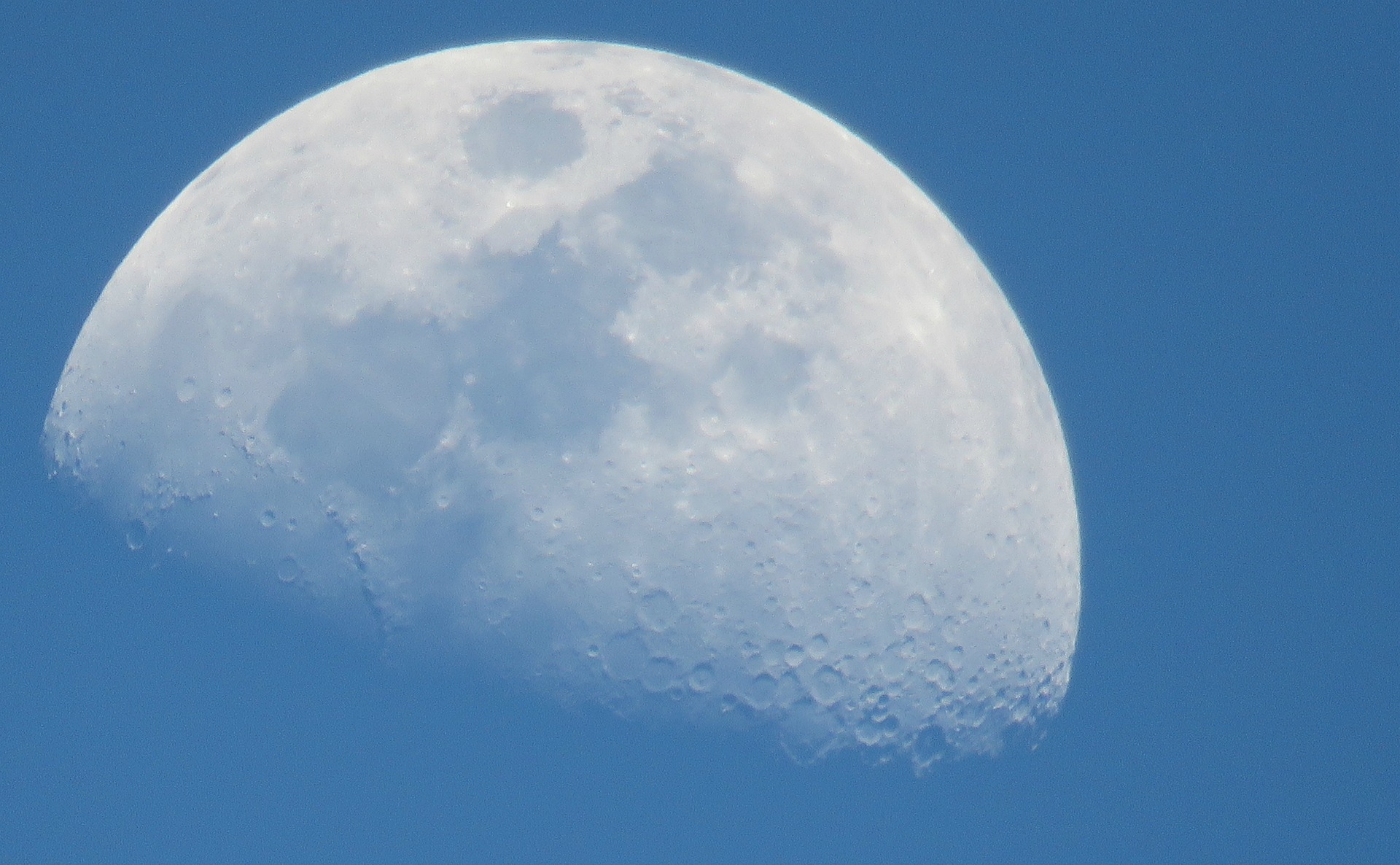
What is a blue moon? Is the moon color actually going to appear blue tonight? Well, a blue moon occurs when two full moons appear in the same month, where the second full moon is called a blue moon. It is known that the difference between one full moon and another is about 29.5 days, so, one additional full moon gathers in a single month of the calendar during a period of 2.7 years. To put it simply, a blue moon occurs once every two or three years. Ever heard of the phrase, once in a blue moon…? Well, now you know its origin. Owing to the blue moon’s rare occurrence this phrase refers to unusual events.
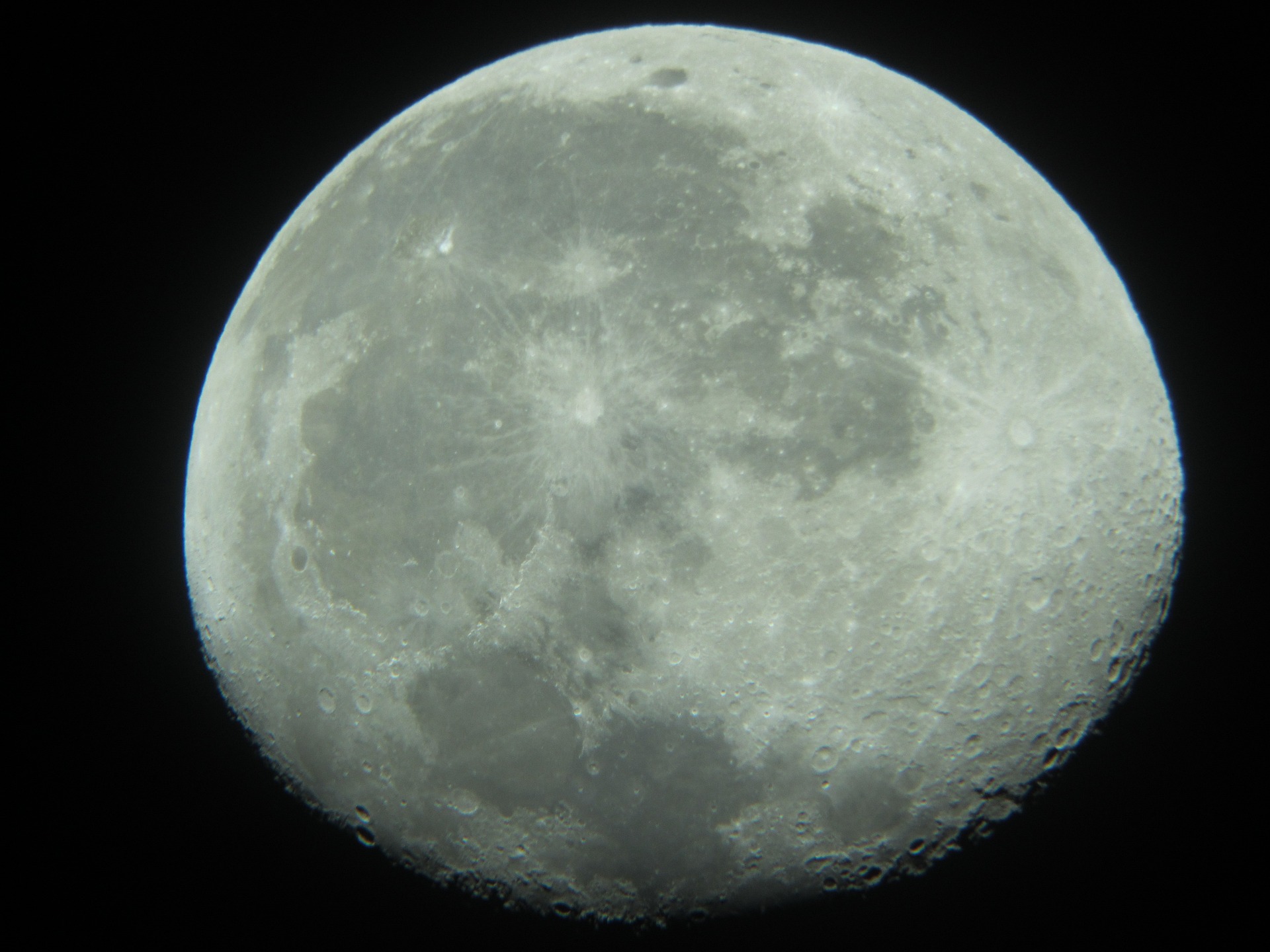
Despite its name, the blue moon does not reflect any different color as it will retain its usual shade of gray, but it may appear up to 14 percent larger and 30 percent brighter than usual; that’s because it also happens to be a supermoon tonight—an impressive lunar event that one can only catch a glimpse of a few times a year!
What is a supermoon? The term supermoon means that the moon is at its closest point to Earth making it appear larger and brighter than usual. A supermoon is a combination of two different astronomical effects, specifically, when a new or full moon coincides with the lunar perigee (point closest to Earth) in its monthly orbit. The moon must be within 90% of its closest distance from Earth to be officially defined as a supermoon; this means that the moon needs to come within 224,865 miles of Earth. So, a full moon in perigee is closer to Earth than on other days, hence, appears slightly larger than, let’s say, a full moon in apogee (point farthest from Earth). Since we can’t see the new moon in perigee, a supermoon usually refers to a super full moon. When that happens, the sky is filled with a large bright moon that would dazzle anyone gazing at it.
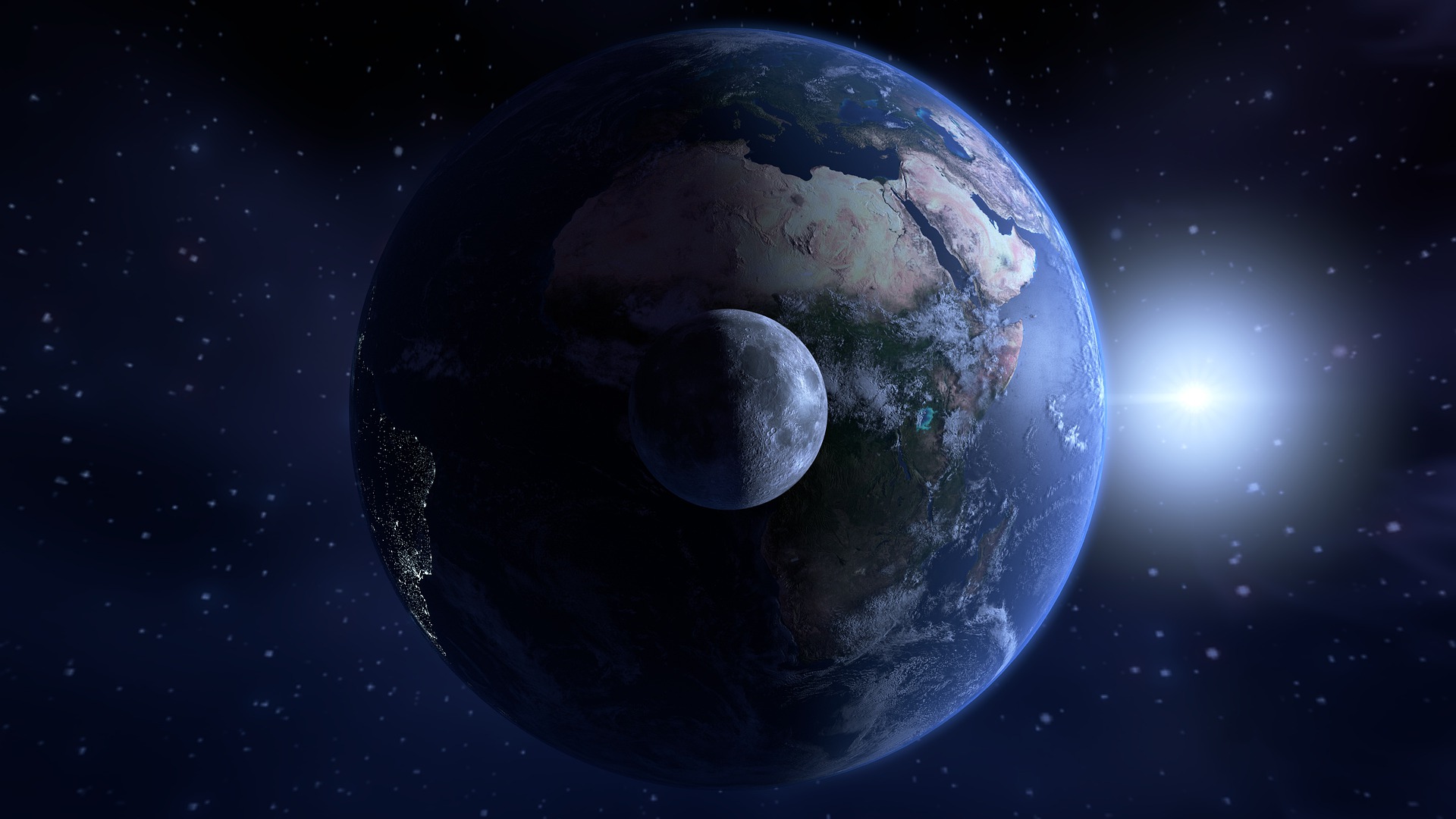

How close is it? Tonight’s super blue moon will be the closest (biggest) super full moon of 2023 due to its proximity to Earth! It will be 222,043 miles (357,344 km) away. Comparatively, the average distance between the Earth and moon is 240,000 miles (386,242 km). With the naked eye, the difference in size may not be significant but it is, in fact, the largest and brightest supermoon of the year, an incredible astronomical event! It will reach its peak at 7:06 am IST or 1:36 am GMT on August 31 or 9:36 pm EST on August 30. And here’s a bonus: the moon will not just appear full on August 31, but also a day before its peak, and a day after, implying that people can witness the rare phenomenon in the evenings of August 30 until September 2.

Sturgeon moon: Of all the four supermoon phenomena to be witnessed in 2023, this month of August accounts for two of them. The super blue moon of August 2023 is the last super full moon this year; the next super full moon will occur on September 18, 2024. The full moon of August is also known as the sturgeon moon because long back, at this time of the year, the sturgeon fish—North America’s largest fish—used to be abundant in the Great Lakes.

So, it’s gonna be a whopping super full blue sturgeon moon tonight, lighting up the sky all over the world! Experts advise turning off the lights at home to improve viewing, adding that it depends, to a large extent, on the weather and pollution.
We won’t see the next blue moon until May 2026 and subsequently December 2028. The last appearance of the blue moon was in August 2021, while the next giant blue moon will not reappear until 2037. In rare cases, a blue moon can recur twice a year such as in 2018; the next double blue moon will occur in 2037, which will also be the next super blue moon to appear after the super blue moon of August 2023. Rare indeed!
What’s even more interesting is that tonight’s blue moon will also be joined by a special guest in the night sky: Saturn, the ring gas giant, is at its least distance from Earth, hence shines at its brightest. Look for a bright point of light near the moon and you can spot the beautiful planet. You don’t need any optical aid to watch this lovely pairing of the moon and Saturn. At their closest, the duo will be two degrees or the width of four full moons apart. Both Saturn and the moon will appear their biggest and brightest in August 2023.
Moon mystery
But that’s not all! This month’s Chandrayaan-3 landing on the dark side of the moon has opened up an altogether new chapter in the history of space exploration for humanity. You see, the dark side of the moon has long been a mystery to mankind, subject to the human imagination as to what it might contain. Some have thought there to be colonies of aliens and others have continued to wonder what the moon is hiding from us Earthlings. Let us probe deeper into what Chandrayaan is revealing to us right this minute, as you read this piece.
Brief history of moon landings: In 1966, Soviet Union’s unmanned Luna 9 spacecraft performed the first successful soft moon landing, promptly followed by the USA. In July 1969, American astronaut Neil Armstrong was the first person to walk on the moon along with Buzz Alrdin; they stepped out of the Apollo 11 lunar module and onto the moon’s surface, the Sea of Tranquility located in the northern hemisphere of the satellite. A few more Apollo missions followed—a total of six to be precise, including Apollo 11, 12, 14, 15, 16, 17, and so far, twelve people have walked the moon’s surface. Future Apollo missions were aborted indefinitely mainly due to money, as the cost of sending man to the moon is astronomical. The moon is also like a death trap as its surface is littered with humongous craters and boulders that threaten safe landings. As of now, no other country has attempted to send man to the moon since the USA.

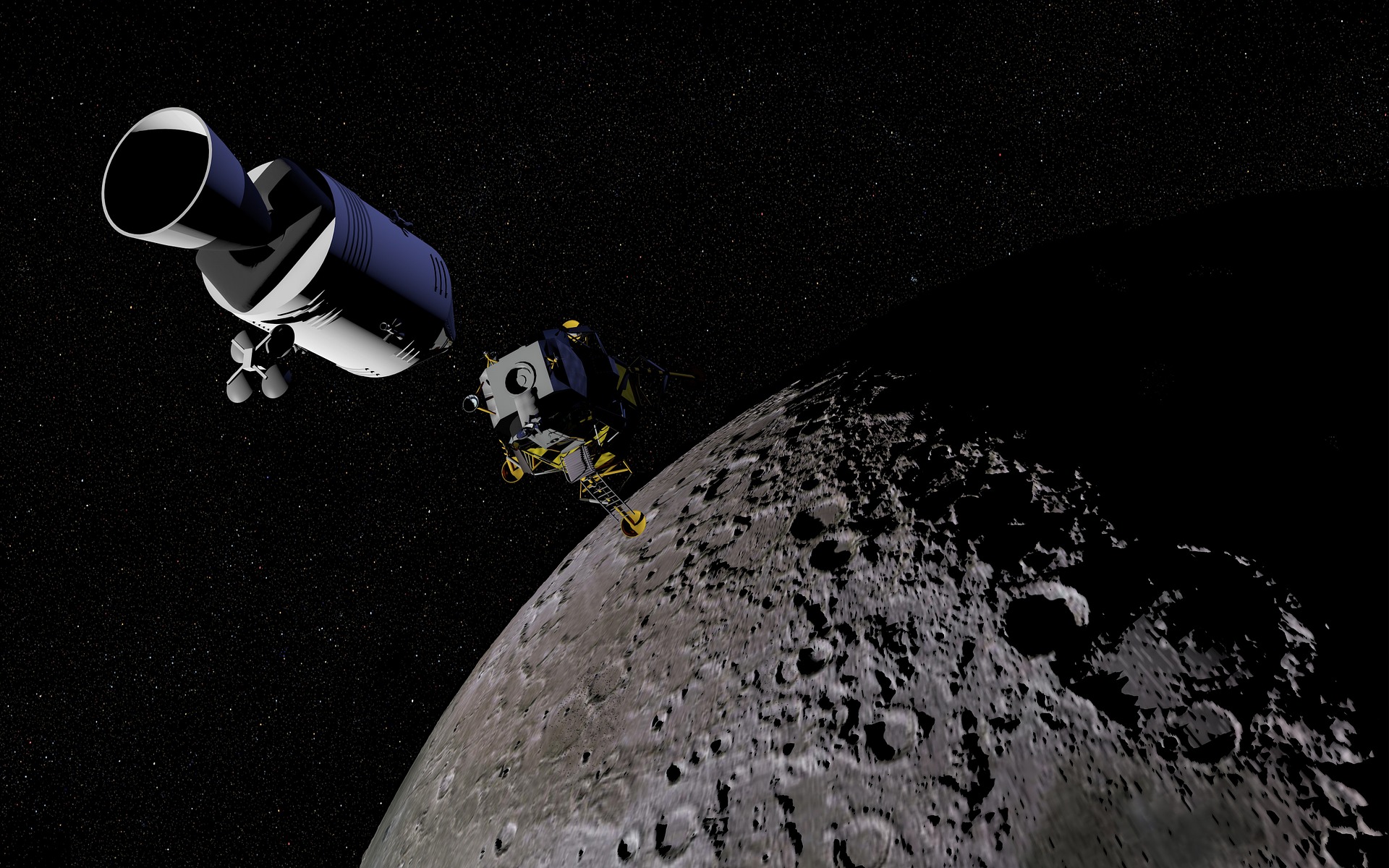
India is the first country in the world to have successfully landed a rover in the unexplored south polar region or dark side of the moon, and the fourth in the world to have achieved a safe soft landing on the moon’s surface following Russia, USA, and China.
Chandrayaan
In Sanskrit, chandra means ‘moon’ and yāna means ‘craft’ or ‘vehicle’. Chandrayaan-3 is the third Indian lunar exploration mission under the ISRO – Indian Space Research Organization’s Chandrayaan programme, post the failure of Chandrayaan-1 and 2. Chandrayaan-3 consists of a lander named Vikram and a rover named Pragyan, similar to those of the Chandrayaan-2 mission. In 2019, a small error during the Chandrayaan-2 mission led to its failure causing the Vikram lander to crash onto the lunar surface. However, the error was identified and corrected, leading to a successful landing of the Chandrayaan-3 on the lunar surface near the South Pole.


Chandrayaan-3 spacecraft, launched on July 14, entered the lunar orbit on August 5, and its lander touched down in the lunar south pole region on August 23, 2023 at 6:03 pm IST or 12:33 pm UTC, propelling India to the elite space club. India now joins the USA, Russia and China as the only countries to have successfully landed a spacecraft on the lunar surface.
It was a proud moment for all Indians, a billion hearts cheering and celebrating the success of Chandrayaan-3, coincidentally in the same month of India’s Independence day on August 15. The spot near the moon’s south pole where Chandrayaan-3 made its historic landing last week will be named Shiv Shakti point; Shiv representing the divine masculine and Shakti, the divine feminine. The Pragyan rover carries along the Indian flag 🇮🇳

The rover will scour the surface of the moon for 14 days since its landing on August 23, after which period night will descend on the moon for the next 14 days. During this lunar night, the lander and rover, named Vikram and Pragyan respectively will remain dormant due to their reliance on solar energy, as they can only operate in sunlight. The lander and rover team will not return to Earth after the mission is completed, and will permanently stay back on the moon.
What is the dark side of the moon? 🌝🌚
The dark side or far side or south polar region of the moon is that part which is not visible to us from Earth. The moon, due to its position between the sun and Earth, only shows one side to us, which reflects sunlight. Hence the other side, which we can’t see from here is called the dark side of the moon. The South Pole of the moon has a rather rough terrain making it difficult for spacecrafts to make safe soft landings. This has also increased curiosity around this region of the moon.

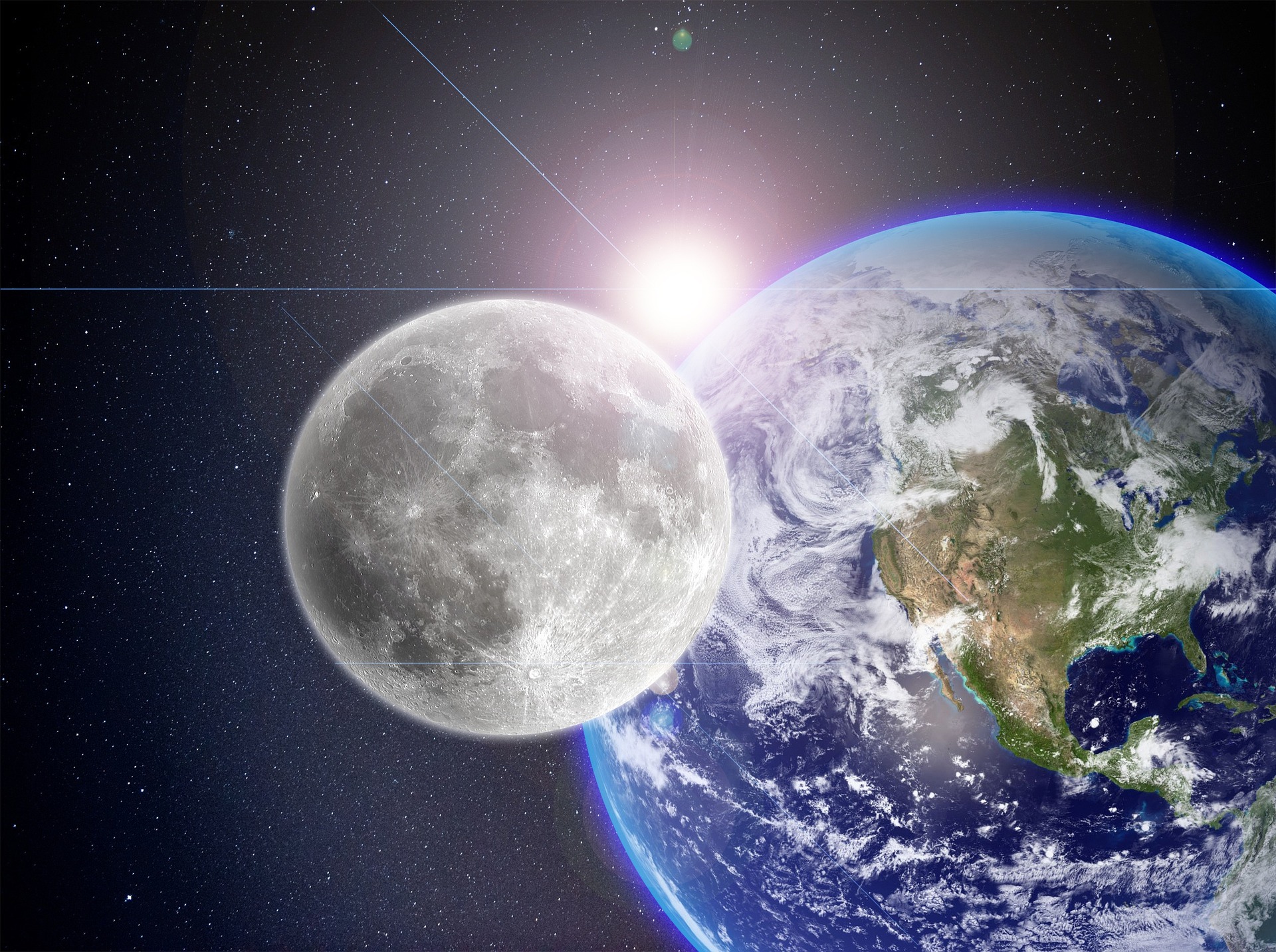
According to NASA, this far side of the moon is full of mystery and intrigue. But why is the world so intrigued by this part of the moon? What mystery might it hold for humanity? Let’s find out!
Why is the dark side of the moon significant?
The dark side of the moon is believed to have large permanently shadowed craters filled with water ice that could potentially sustain humanity. At the poles of the moon there are areas that never receive sunlight, hence extremely cold. The frozen water, untouched by solar radiation, might have collected over millions of years leading to accumulation of water on the lunar surface. The region’s water ice caps could supply fuel, oxygen and drinking water for future man missions or colonization of the moon.

The temperature there could drop up to -297 degrees Fahrenheit (-183 Celsius) at night, while in the day it could go up to a boiling 260 degrees Fahrenheit (127 Celsius). This is why water exists there in the form of solid or vapor but not liquid, as any liquid water will immediately evaporate or solidify due to the extreme temperature variation there.
Lunar water discovery
India’s Chandrayaan-1 lunar mission was the first to discover evidence of water on the moon’s surface as recorded by Chandra’s Altitudinal Composition Explorer (CHACE) during its 25 minute descent. Apparently, water is found all over the surface but mainly in the form of ice. Some parts have more water than others.
Is lunar water safe to drink? Well, you have to take the soil or ice deposits and process it to get water as there is no liquid water on the moon’s surface. Furthermore, it needs to be purified in order to be “drinkable” as the lunar soil or regolith is filled with nasty little particles that can cause severe respiratory disorders.
Mystery no more
The dark side of the moon will no longer be a mystery once more data is collected from the Pragyan rover, and further research of this enigmatic lunar surface is carried out in the near future. What more? If there is water on the moon, there might just be life too! Scientists speculate there may be microbial organisms in the presence of water.
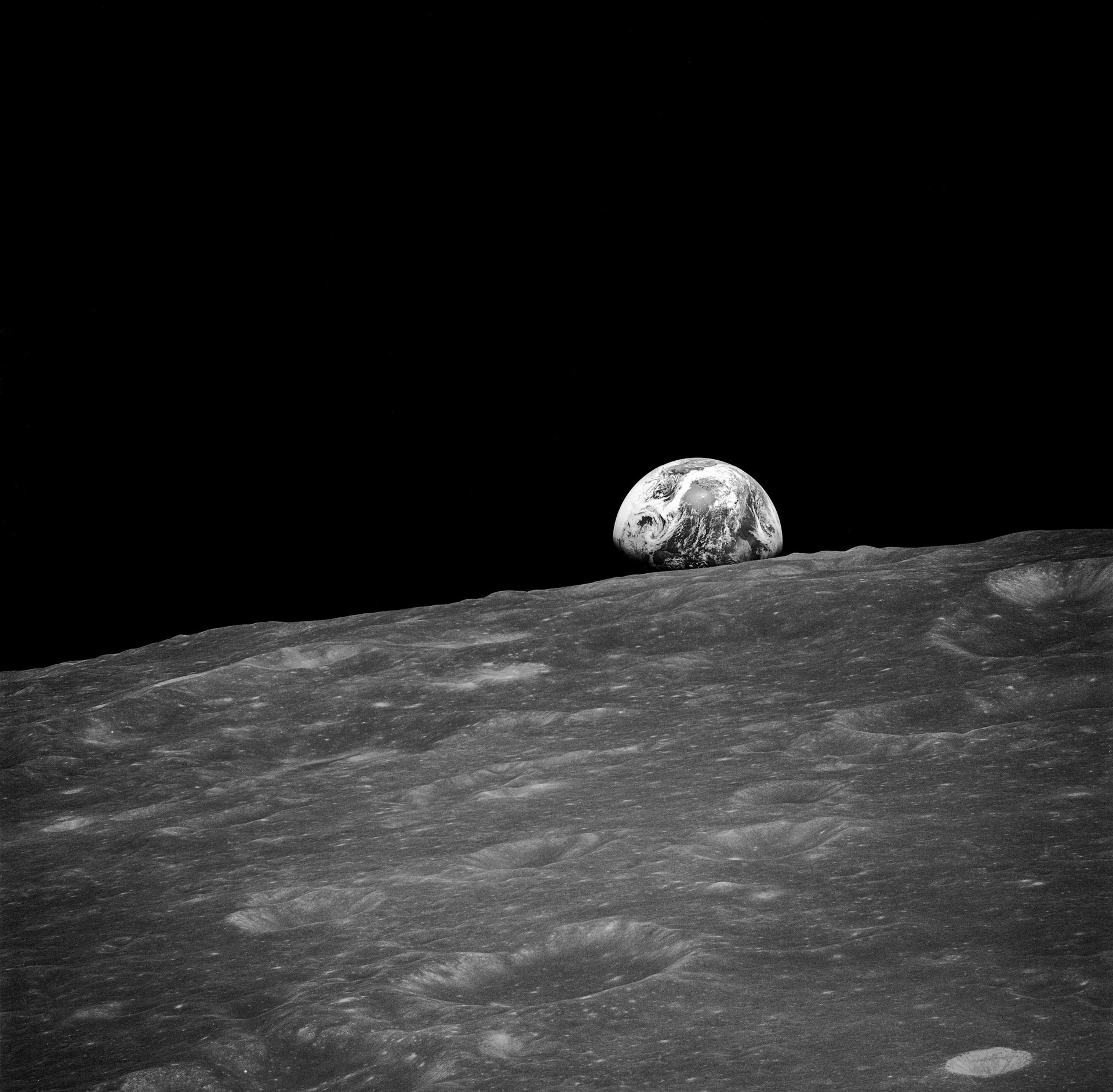
And if the moon has soil and water, then what is stopping humanity to establish colonies of civilization on its surface? Well, so far the moon’s atmosphere is not conducive to human life as it has no air or breathable oxygen, and the soil is loose and dusty, therefore unsuitable for growing food. The satellite does not experience weather, like wind or atmospheric temperature or precipitation like rain and snow. But, if there is water, then oxygen can be cultivated alongside crops planted in a controlled environment to make it more sustainable for human life conditions. Well, the possibilities are just beginning to unravel!
From August 23 to August 30, so far, Chandrayaan-3 has found the following elements of the periodic table on the moon: aluminum (Al), sulphur (S), calcium (Ca), iron (Fe), chromium (Cr), titanium (Ti), manganese (Mn), silicon (Si), oxygen (O).
Yes, oxygen! The proportion is somewhat lower but not that much. More than 40% of the lunar crust is composed of oxygen, which is bound up in minerals in combination with other elements as oxide compounds.
We are awaiting more information from the Pragyan rover over the next few days. Meanwhile, tonight, as you gaze upon the full blue supermoon in the horizon, contemplate the magic of her lore, a mystery no more…
moon o’ magic moon
tonite grant me a boon
shine your light bright
and bring to my sight
where my treasure is concealed
there my destiny is revealed

P.S. The moon has always been a beam of guidance for me, like a spiritual mother illuminating my path and the treasures of my heart, as I trotted the globe in pursuit of my destiny. Aptly, a psychic had once told me that I was hija de la luna i.e. daughter of the moon. It had brought tears in my eyes then as I really had been looking up to the moon all my life to reveal my true path and purpose here on Earth.
The moon tonight reminds me of this cute Edward Lear poem I used to recite as a child:


The Owl and the Pussy-Cat
The Owl and the Pussy-cat went to sea
In a beautiful pea-green boat,
They took some honey, and plenty of money,
Wrapped up in a five-pound note.
The Owl looked up to the stars above,
And sang to a small guitar,
“O lovely Pussy! O Pussy, my love,
What a beautiful Pussy you are,
You are,
You are,
What a beautiful Pussy you are!”
Pussy said to the Owl, “You elegant fowl!
How charmingly sweet you sing!
O let us be married, too long we have tarried,
But what shall we do for a ring?”
They sailed away, for a year and a day,
To the land where the Bong-Tree grows
And there in a wood, a Piggy-wig stood,
With a ring at the end of his nose,
His nose,
His nose,
With a ring at the end of his nose.
“Dear Pig, are you willing to sell for one shilling
Your ring?” Said the Piggy, “I will.”
So they took it away, and were married next day,
By the Turkey who lives on the hill.
They dined on mince, and slices of quince,
Which they ate with a runcible spoon;
And hand in hand, on the edge of the sand,
They danced by the light of the moon,
The moon,
The moon,
They danced by the light of the moon.

Discover more from evolving consciousness
Subscribe to get the latest posts sent to your email.


Thank you for the info. Very interesting ;)
LikeLiked by 1 person
Loved the Edward Lear poem <3 <3
LikeLike
Intriguing information 🤔 😀 🙂
LikeLike