
The emotional body
We are first feeling beings before we are human beings. Emotions are like our internal compass, informing us of our personal truths at any given moment. All the dysfunction that we see in the world today stems from the emotional body, be it anger, rage, violent outbursts, wars, conflicts, devastation, etc. that come from unresolved emotional issues or childhood traumas. The emotional body resides in the solar plexus chakra, located in our stomach. You know, they say the gut is always right… it indeed is! A gut feeling could not only be a life-saving intuition, it could also be informing us of our emotional state of being in the form of an internal guidance mechanism.
There cannot be a mental breakdown without an emotional malfunction first. Emotions are always telling us where we are hurting and what our truth is at present. But our society is least equipped in handling emotional issues. Most times we are required to bypass our difficult emotions. However, when we avoid them, they don’t go away… they fester! Slowly, those unresolved emotions can manifest a chronic or terminal illness, a destructive behavior, or a blind spot in our adult waking lives.
Thus emotions should never be suppressed or repressed, especially the difficult ones, rather they should be expressed and gently processed with a willing acquaintance, friend, or therapist so as to release them from one’s system. If no one is available to process with, then one must simply allow the emotions to come up in a safe space and mull over the difficult feelings trying to understand their origin in the past, figure out their root cause then hold the space for their message without resistance or judgement. An example of this is to reflect upon when that uncomfortable feeling first appeared in childhood and what self-sabotaging behavior one employed to cope at the time, and then to change that behavior consciously in the present. Difficult emotions will only go away once the individual is healed within and the inner child heard, understood, soothed, and then the self-abandoning behavior replaced with self-love. But until that happens, they will keep resurfacing, seeking healing and integration of the fragmented parts of the self.


Empaths and their emotional states
With that little introduction on the emotional body, here I am going to specifically discuss empaths and how they can get to a place of emotional well-being. Empaths are people who have the capacity to feel others’ pain and suffering. They take upon the problems of others as if their own, trying to solve them. They can absorb others’ pain like the rain into their skin, holding the space for their fears and chaotic expressions. A physical empath, like me, can even feel the pain in her own body when connected with someone deeply. Empaths are often the first ones to rush to the aid of another in order to alleviate their agony and make them comfortable emotionally. This is indeed a great trait and we need more empaths in our world today. However, there is a shadow side to this behavior, which I am going to discuss more in detail today.
There are basically two types of empaths: The wounded empath and The healed empath.
The wounded empath
Most empaths come from very painful childhoods where they have had severe boundary violations by their guardians, parents or caregivers, where their needs weren’t met, where they were abandoned or forced to do things they did not want to, where they had to please their guardians by sacrificing their own needs in order to be in their good books, etc. Thus, they grow up trying to meet others’ needs all the time, thinking if they can alleviate another’s pain somehow their own pain would be alleviated in the process. Far from it, they get depleted and burned out in the process, often feeling resentful, drained, and other such negative emotions in the long run as their sacrificial acts are not met with love or understanding, rather with more abandonment. Hence, these empaths do not have a definite sense of self neither do they know how to set healthy boundaries in relationships. They are often taken for granted as they set themselves up for abuse in their connection with others, be it in friendships or any kind of relationships for that matter. They don’t know how to meet their own needs, emotional or material. And when their needs go unmet, they feel a sense of insignificance, a lack of worth. These empaths often get into toxic relationship dynamics attracting narcissists as partners, who keep taking and taking from them, and they, in turn, keep giving and pleasing without their own needs ever getting met in the process.
Most empaths have huge boundary issues. While it can be a great gift to tune in to others’ feelings and wanting to ease their pain, empaths cannot distinguish between themselves and others. They don’t have a strong sense of self, hence, can easily mold themselves to others’ expectations of them. They readily engage in sacrificial behavior whenever they want to escape how they really feel, because they don’t feel safe to feel what they feel and live in a state of perpetual martyrdom, feeling insignificant and small when triggered. They are doomed to repeat their relationship patterns with parents, with the universe itself, attracting toxic partners in adulthood, if they don’t take active steps to heal these unhealthy patterns within.
Empathy without boundaries is self-betrayal.
Empaths find it difficult to confront anyone or get into conflicts, as they often repress their own emotions in order to keep peace in the connection. However, by doing so, they abandon themselves which is reflected back to them by their partners in relationships, who abandon them or take advantage of their vulnerabilities. Thus they are in a vibration that is a match to negative relationship dynamics. To ease their pain, they often turn to spirituality for guidance, which further negates their boundaries by expanding their concept of self thus they continue to experience negative relationships, as they have no idea how to navigate physical life and healthy dynamics have never been modelled to them. To understand this better, read Why empaths have a hard time in relationships.
To summarize, a lot of empaths are really wounded emotionally because they haven’t healed their past traumas. The wounded empath needs healing not protection. As they have no self-concept, no self-definition, no boundaries, they can’t see themselves separate from others and carry the trauma of a painful childhood where they were used to parents denying their emotional needs, wishes and desires, thus making them feel unworthy and undeserving of love. They tend to engage in over-giving, self-abandoning, people-pleasing behavior losing themselves in relationships, as they don’t know how to say “no” or set appropriate boundaries. Thus they live in a perpetual state of victimhood; it is indeed a painful life.
The healed empath

The first thing an empath needs to learn in order to heal their emotional wounds from the past is to define their boundaries with others in relationships and develop a healthy sense of self where they can ask for what they need. And if their needs are not being met in the connection, then summon the courage to leave that toxic relationship. Empaths have to honor their feelings which most of them don’t do. They need to understand that sometimes saying ‘no’ to others is actually saying ‘yes’ to the self. It is important to note how they feel, because feelings are the language of the soul and it is their feelings that can connect them with their personal truths. For instance, if something doesn’t feel right or if someone violates their boundaries—incoming or outgoing, they need to immediately tune in to that uncomfortable feeling generating from that experience and set things right for themselves, either by saying “no” to the situation or by leaving the connection should the pattern repeat itself. This takes conscious awareness, a lot of practice and patience with oneself, as it doesn’t come naturally to empaths. But with time, it can become a natural thing to do. And if you are wondering, an incoming boundary violation may look like someone directly disrespecting or abusing you, be it verbally, physically, mentally or emotionally. An outgoing boundary violation on the other hand is someone being indifferent to your needs and wants, abandoning you when you need them, leaving you to tackle your own problems rather than supporting you, being emotionally unavailable, or just giving you the silent treatment aka cold shoulder.
Usually empaths who come from a narcissistic family or abusive childhood where their boundaries were constantly violated, tend to attract narcissists as partners in adulthood because they don’t have a good sense of what a healthy, mutually beneficial relationship even looks like. The narcissistic partner often feels familiar and “home” to them. But as “used to” as you may be to such people, they can never make you feel good about you. So, try to find a symbiotic partnership where you will be respected for who you are without being ignored, ghosted, or your needs white-washed, where you will be heard and your desires important to your partner, where you can be free to be yourself.
To summarize, empaths must stop people pleasing and start doing what is right for themselves. They need to learn to honor what they need and not feel ashamed to ask for it. They don’t have to be in a state of martyrdom the rest of their lives. There is a way out of the misery, but one has to decide to take it. When you allow yourself to feel how you feel, then you will realize that empathy is a great gift and should be used wisely, not just with anybody, but with those who will honor your gift rather than abuse it.




The gift of empathy
The ability to tune in to others’ feelings and emotions doesn’t come naturally to most people, but most empaths are born with this special capacity and can use it to heal the planet once they can heal themselves. That said, anyone can develop empathy with a little practice. We take this gift and assume it has to come in a package of unhealthy attributes but it doesn’t have to be that way. Imagine what the world would be like if there were more empaths in it, how many wars could be avoided, how many relationships could be saved, how many children could be happier, how much violence and intolerance could be erased from the face of the earth, especially if more men in positions of power could develop this incredible gift. At the same time, an empath has to be careful of toxic people trying to deplete their energy or taking advantage of their kindness by setting up appropriate boundaries where necessary.

Self-concept and inclusive narcissism
As one’s concept of self usually comes from the family one is born into, the tradition one grows up in, the religious rituals one is made to practice since childhood, if these are dysfunctional familial or cultural dynamics then one will obviously have all kinds of limiting thoughts about the self and that can also create disease conditions in the physical body. Many cultures actually don’t let you love yourself, amplifying the perceived defects of individuals, hence it is hard to have a healthy self-image for a person operating inside of those cultural dynamics. This is why travelling helps so much as one comes in contact with different cultures, races, religions, traditions, belief systems in different parts of the world, one can in fact detach from their own culture and delete much of the garbage programming they were fed by so called “authorities and elders” while growing up. A healthy concept of self involves “inclusive narcissism” where one is harmlessly proud of oneself and has a highly positive image of not only the self but also of others, genuinely capable of appreciating the good in everyone and everything, yet unafraid to stand up for oneself in the face of adversity. And if one cannot find favorable cultural circumstances, it is a good practice to look outside of one’s culture for validation of the self and travelling can indeed erase a lot of these dysfunctional programming from the mental and emotional body thus eliminating disease conditions in the physical body. Radical self-acceptance should be practiced where one not only accepts their difficult and uncomfortable emotions, but can also find a healthy outlet to process or express them rather than suppress or repress them. To understand this better read Feel your feelings, know yourself.
Question: How can one develop empathy or cultivate empathic abilities?
The fastest and easiest way to develop empathy is to take the other person as a part of yourself, not apart! This is especially true in relationships, where people are often looking at things from their own perspectives, focusing on their own problems, their own needs and necessities but cannot automatically tune in to the needs of the person in front of them. However, if you consider your partner, as a part of yourself, then this becomes easier to do. Will the hand spite the face? Thus you will inherently know that if you hurt another, you are essentially hurting yourself because there is no other but the self only; the other person is just an extension of you, externalizing and mirroring your own internal state back to you, never separate from you!
Related videos
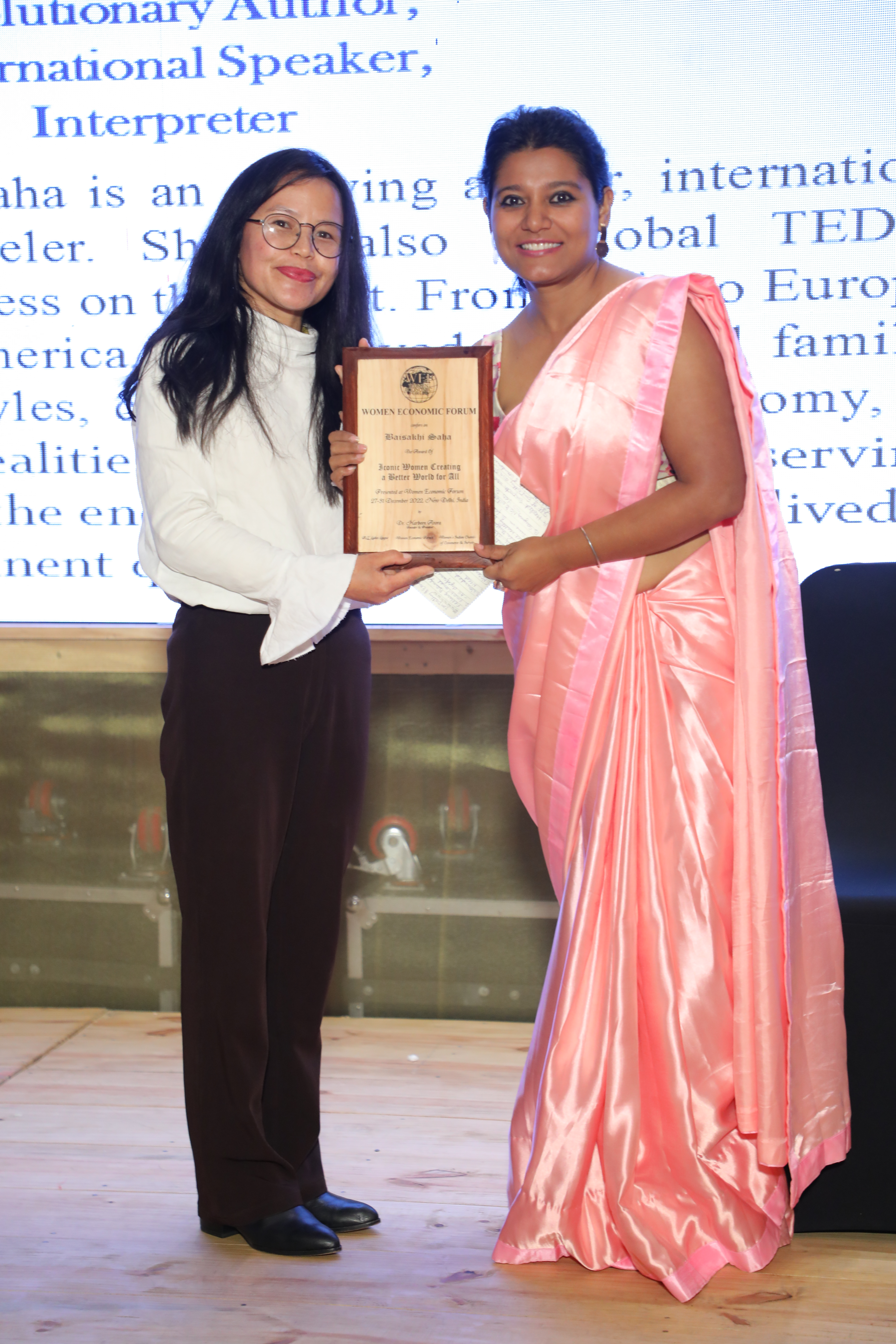
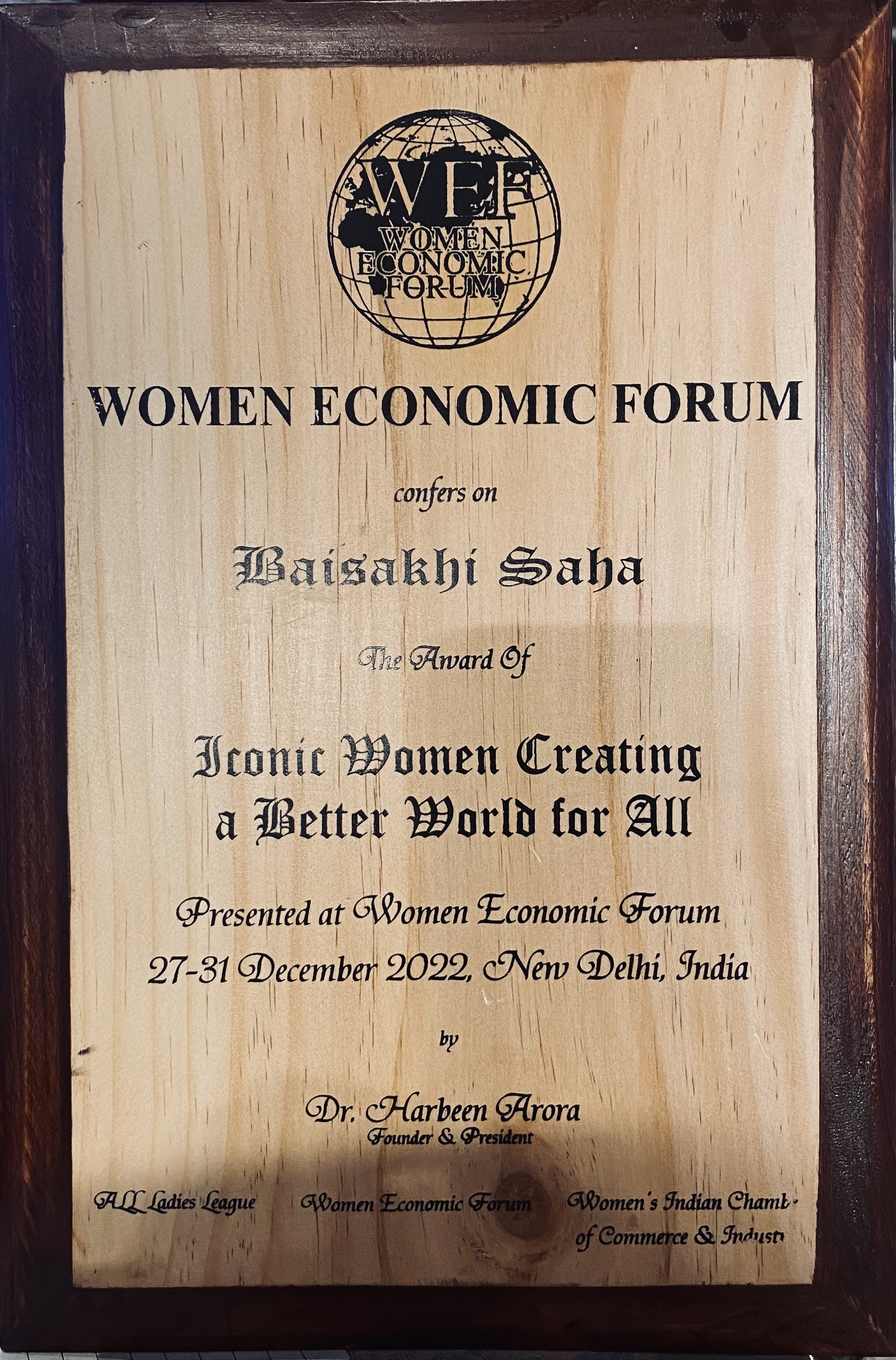
You might also like to check out my other sessions at the Annual WEF 2022 India, held at the JW Marriott Hotel in Aerocity, New Delhi between 27 and 31 December 2022.
Discover more from evolving consciousness
Subscribe to get the latest posts sent to your email.


———:)
LikeLike
Love this <3 <3
LikeLiked by 1 person
Love, love, love this <3
LikeLike